
Waking up in the middle of the night can be frustrating, especially when it happens repeatedly. You might fall asleep without difficulty, wake up around 2 AM or 3 AM, check the time, and then struggle to fall asleep again. Sometimes you may wake up briefly and return to sleep within minutes. On other nights, you might remain awake for an hour or longer, wondering why your body will not let you rest.
If this happens occasionally, it does not necessarily mean something is wrong with your health. Sleep is not a continuous state in which the brain remains completely disconnected from the outside world. Throughout the night, the brain moves through different stages of sleep, and brief awakenings can occur naturally between sleep cycles. However, repeatedly waking up and having difficulty returning to sleep may indicate that something is interfering with your sleep.
There is no single explanation for why people wake up during the night. Stress, anxiety, caffeine, alcohol, an uncomfortable sleeping environment, changes in the body’s internal clock, medications, and certain medical conditions can all contribute. The important thing is to understand what is happening around the time you wake up rather than assuming that every nighttime awakening has the same cause.
In this article, we explore the science behind nighttime awakenings, why some people repeatedly wake up at approximately the same time, which everyday habits may be responsible, and what you can do to improve your ability to stay asleep.
Why Do I Wake Up Multiple Times During the Night?
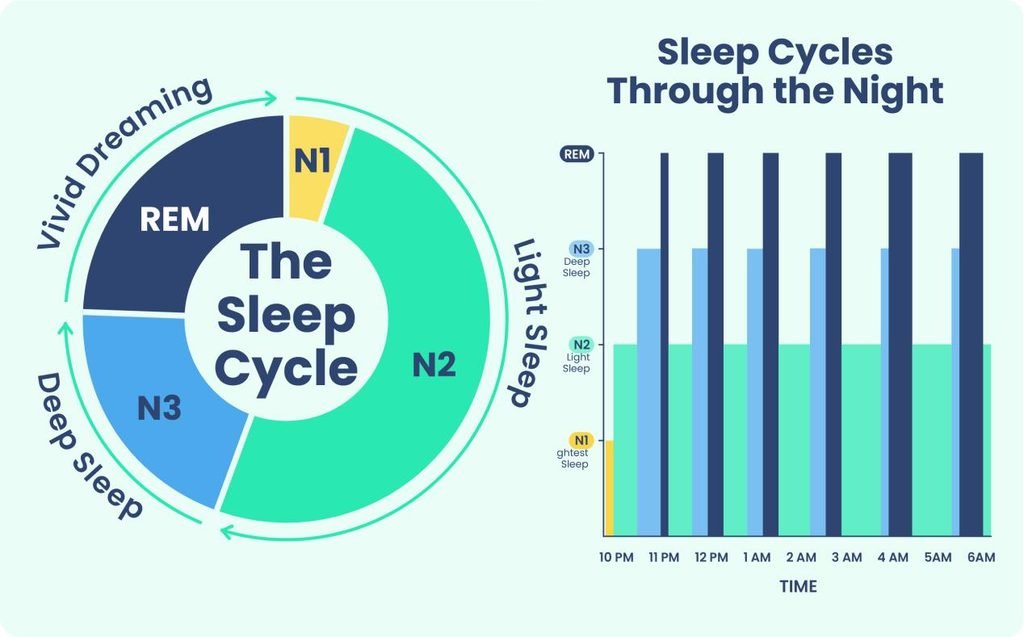
One of the most important things to understand about sleep is that your brain does not remain in the same state throughout the night. Instead, it continuously moves between non-rapid eye movement (NREM) sleep and rapid eye movement (REM) sleep. These stages serve different purposes, and their duration changes as the night progresses.
According to the National Heart, Lung, and Blood Institute (NHLBI), a typical sleep cycle lasts approximately 80 to 100 minutes, and most people experience four to six cycles during a full night of sleep. Brief awakenings can occur between these cycles.
This means that waking up briefly is not automatically a sign of insomnia or a sleep disorder. You might open your eyes, change your sleeping position, notice a sound, or become aware of your surroundings before falling asleep again without remembering the awakening the following morning.
The situation becomes different when these awakenings happen frequently and prevent you from getting sufficient restorative sleep. For example, someone who wakes up five times every night and struggles to return to sleep may experience a different problem from someone who briefly wakes up once and immediately falls asleep again.
The distinction matters because the goal is not necessarily to eliminate every brief awakening. It is to identify why you remain awake, whether the interruptions affect your daytime functioning, and whether an underlying condition needs attention.
Is It Normal to Wake Up During the Night?
Yes. Brief nighttime awakenings are a normal part of human sleep. Many people wake up momentarily without realizing it, particularly when transitioning between different sleep stages or responding to environmental changes.
Consider what happens when you sleep for eight hours. Your brain does not experience eight uninterrupted hours of identical sleep. It moves through lighter sleep, deeper sleep, and REM sleep several times. As morning approaches, deep sleep generally becomes less prominent, while REM periods become longer. This changing pattern can make some people more likely to become aware of their surroundings later in the night.
For example, imagine going to bed at 10 PM and briefly waking up at 1 AM. You turn over, close your eyes, and return to sleep. Later, you wake up again at 4 AM because of a passing vehicle or a change in room temperature. If you fall asleep again quickly and feel rested the next morning, these interruptions may not indicate a significant sleep problem.
However, if you regularly wake up and remain awake for extended periods, feel exhausted during the day, or struggle to concentrate at work, it is worth investigating further.
The frequency of awakenings alone does not determine whether someone has insomnia. Difficulty returning to sleep, how long the problem has continued, and its impact on everyday life are also important.
9 Common Reasons You Wake Up in the Middle of the Night
Nighttime awakenings can result from several different factors. Some are connected to everyday habits, while others involve physical health, mental well-being, or sleep-related conditions. Understanding the possible causes can help you identify patterns rather than trying random solutions.
1. Stress and Anxiety Can Keep Your Brain Alert
Stress is one of the common reasons people experience difficulty staying asleep. Even when your body feels physically exhausted, worrying thoughts can make it difficult for your brain to settle into a restful state.
Imagine spending the entire day worrying about an upcoming examination, an important meeting, financial difficulties, or a personal problem. You eventually fall asleep because you are tired, but the underlying worry has not disappeared. When you wake up during the night, those thoughts may return almost immediately.
You might start thinking about tomorrow’s responsibilities, replaying an uncomfortable conversation, or imagining something going wrong. The more attention you give these thoughts, the more alert and frustrated you may become.
Stress and anxiety can also create a cycle in which worrying about sleep makes sleeping more difficult. After experiencing several nights of poor sleep, some people begin going to bed expecting another difficult night. They become increasingly concerned about the possibility of waking up again.
The NHS identifies stress, anxiety, and depression among common contributors to insomnia. NHS
If you notice that nighttime awakenings are more frequent during stressful periods, pay attention to the relationship between your daytime worries and nighttime sleep. This pattern may provide a useful clue about what is disrupting your rest.
2. Drinking Caffeine Too Late in the Day
That afternoon coffee or evening cup of tea may be affecting your sleep more than you realize.
Caffeine is a stimulant that interferes with the action of adenosine, a chemical involved in the body’s natural sleep-pressure system. Adenosine gradually builds up while you are awake, helping you feel sleepy as the day progresses. Caffeine blocks some of its effects, making you feel more alert even when your body needs rest.
The important detail is that caffeine does not disappear immediately after you drink it. Its effects can continue for several hours, depending on the amount consumed and individual differences in how quickly your body processes it.
For instance, someone who drinks strong coffee at 6 PM may still have caffeine affecting their system near bedtime. They might fall asleep eventually but experience poorer sleep or difficulty maintaining sleep.
Coffee is not the only source. Tea, energy drinks, cola, chocolate, and certain medications can also contain caffeine.
If you frequently wake up during the night, consider recording when you consume caffeine and whether your sleep changes when you avoid it later in the day.
3. Alcohol Can Disrupt the Second Half of Your Sleep
Some people believe that drinking alcohol before bed helps them sleep better because it makes them feel relaxed and sleepy. Although alcohol can make falling asleep easier for some individuals, that does not mean it improves overall sleep quality.
Alcohol can interfere with normal sleep patterns and make sleep lighter or more fragmented as the night progresses. A person may fall asleep quickly but wake up repeatedly during the later hours.
This can create a confusing experience. You might believe that alcohol helped you sleep because you became drowsy immediately, but you may feel less rested the following morning.
The NHLBI specifically identifies alcohol as a factor that can contribute to nighttime sleep disruption.
If you notice a connection between drinking alcohol and waking up at night, consider whether your sleep improves when you avoid drinking before bedtime.
4. Your Sleeping Environment May Be Interrupting Your Sleep
Sometimes the explanation is not inside your body but in the environment surrounding you.
Your brain continues processing certain environmental signals while you sleep. A sudden noise, bright light, uncomfortable temperature, or movement can cause you to wake up, particularly during lighter stages of sleep.
For example, a motorcycle passing outside your bedroom, a neighbor opening a door, a phone notification, or an air conditioner changing its operating cycle might interrupt your sleep.
Temperature also matters. A bedroom that becomes excessively hot or cold can make it difficult to remain comfortable throughout the night.
This is particularly relevant for people who sleep in environments where temperatures change considerably between evening and early morning.
Instead of immediately assuming that you have insomnia, examine your sleeping environment. Check whether outside noise, light entering through windows, bedding, room temperature, or interruptions from electronic devices coincide with your awakenings.
Sometimes identifying and correcting one environmental disturbance can make a meaningful difference.
5. Waking Up to Urinate During the Night
Another common reason people wake up during the night is the need to urinate. The medical term for waking from sleep to pass urine is nocturia.
This can happen occasionally, particularly if you drink substantial amounts of fluid shortly before bedtime. However, repeatedly waking up to urinate may have other explanations.
Possible contributors include an overactive bladder, urinary tract problems, diabetes, certain medications, and prostate enlargement in some men. Sleep disorders can also contribute to nighttime bathroom visits.
An important distinction is whether the need to urinate wakes you up or whether you wake up for another reason and then decide to visit the bathroom.
For example, someone might wake up because of noise, notice mild bladder fullness, and use the bathroom because they are already awake. In that situation, urination may not be the original cause of the awakening.
If nighttime urination becomes frequent, particularly when accompanied by excessive thirst, pain, burning, blood in the urine, or changes in urination during the day, seek medical advice rather than simply reducing water intake.
6. Sleep Apnea Can Cause Repeated Awakenings
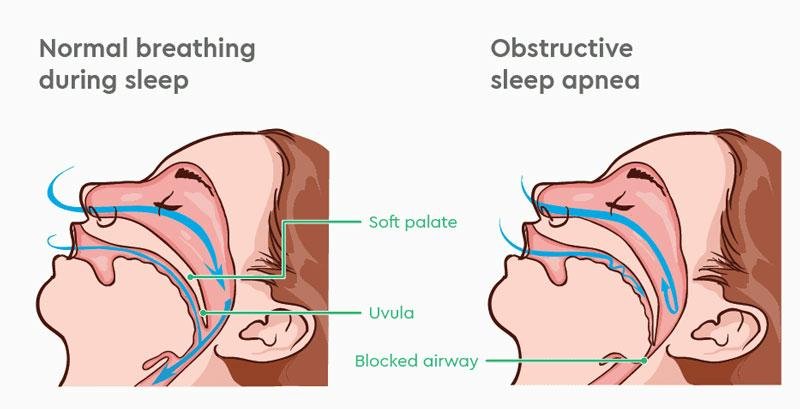
Obstructive sleep apnea is a sleep-related breathing disorder in which the upper airway repeatedly becomes partially or completely blocked during sleep.
When breathing becomes obstructed, oxygen levels may fall, and the brain can briefly activate to restore normal breathing. These interruptions may occur repeatedly throughout the night, even if the person does not remember waking up.
One reason sleep apnea can go unnoticed is that the person experiencing it may not recognize what happens while asleep.
Some warning signs include loud habitual snoring, gasping or choking during sleep, witnessed pauses in breathing, morning headaches, dry mouth, and excessive daytime sleepiness.
For example, someone might believe that they are waking up because they are a light sleeper. However, their sleeping partner may notice repeated episodes of snoring followed by silence and sudden gasping.
If these symptoms sound familiar, discuss them with a healthcare professional. A proper evaluation can determine whether a sleep study or other investigation is necessary.
Repeated breathing interruptions should not be dismissed as ordinary nighttime awakenings.
7. Pain, Acid Reflux, and Other Physical Discomfort
Your body may wake you up because something is physically uncomfortable.
Chronic back pain, joint discomfort, muscle aches, headaches, and other painful conditions can interfere with the ability to remain asleep. A person may initially find a comfortable sleeping position but wake up when discomfort increases or they change position.
Acid reflux is another possible contributor. It occurs when stomach contents move backward into the esophagus, sometimes causing a burning sensation in the chest or throat.
People experiencing nighttime reflux may wake up with heartburn, an unpleasant taste in the mouth, coughing, or throat irritation.
The discomfort can make returning to sleep difficult, especially when symptoms repeatedly occur after lying down.
If you experience frequent nighttime pain, persistent heartburn, or other physical symptoms, it is worth discussing them with a healthcare professional. Treating the underlying problem may be more effective than trying to change your bedtime routine alone.
8. Your Sleep Schedule May Be Out of Sync With Your Body Clock
Your body has an internal timing system known as the circadian rhythm. It helps regulate when you feel alert, when you become sleepy, and several other biological processes throughout a roughly 24-hour period.
Light exposure, daily activities, work schedules, and regular sleeping habits all influence this internal clock.
If you frequently change your bedtime, stay awake much later on weekends, work night shifts, or expose yourself to bright light late at night, your sleep schedule may become misaligned with your natural sleep-wake rhythm.
For example, someone who sleeps at 10 PM on weekdays but stays awake until 2 AM on weekends may find it difficult to maintain a consistent sleep pattern.
Similarly, people who work rotating shifts may struggle because their work schedules conflict with the body’s normal timing signals.
The NHLBI explains that circadian rhythms respond to environmental cues such as light and darkness and help regulate the body’s sleep-wake cycle
Maintaining a more consistent sleep and wake schedule can help support a stable rhythm.
9. Certain Medications and Health Conditions May Affect Sleep
Not every nighttime awakening is caused by a lifestyle habit. Some medications and health conditions can directly or indirectly interfere with sleep.
For example, certain antidepressants, corticosteroids, stimulants, and medications with diuretic effects may affect sleep or increase nighttime urination. The specific effect depends on the medication, dosage, timing, and individual circumstances.
Health conditions such as thyroid disorders, menopause-related symptoms, restless legs syndrome, chronic pain, and some mental health conditions can also contribute to sleep disturbances.
The NHS lists several medical conditions and medications among potential contributors to insomnia. NHS
If your sleep problems began after starting a new medication or changing its dosage, discuss this with the prescribing professional. Do not stop prescribed medication or change its timing without appropriate medical advice.
Why Do You Wake Up at 3 AM Every Night?
Waking up at approximately 3 AM is a common concern. Some people notice that they repeatedly open their eyes around the same time and begin wondering whether something unusual is happening inside their bodies.
There is no universal biological rule that makes 3 AM a special waking time for everyone. However, changes in sleep architecture throughout the night can help explain why awakenings become more noticeable during the later hours.
During the first part of the night, people generally experience more deep NREM sleep. As sleep progresses, deep sleep becomes less prominent, and REM periods become longer. The brain also continues moving through lighter stages of sleep, during which environmental disturbances or internal sensations may be more noticeable.
Your personal bedtime also matters. Someone who falls asleep at 10 PM and wakes at 3 AM has experienced five hours of sleep. Someone who goes to bed at 1 AM and wakes at 3 AM has experienced only two hours. These are not equivalent situations.
Other factors can contribute to waking around the same time, including a consistent noise, an irregular sleep schedule, alcohol consumption, nighttime urination, stress, or an underlying sleep disorder.
If you repeatedly wake at 3 AM, start recording your bedtime, caffeine consumption, alcohol intake, evening activities, and how long you remain awake. This can help reveal whether a particular habit or symptom is associated with the pattern.
The time on your clock alone cannot identify the cause.
Can Stress and Anxiety Cause You to Wake Up at Night?
Yes. Stress and anxiety can affect both the ability to fall asleep and the ability to remain asleep.

When someone experiences ongoing stress, their mind may remain occupied with unresolved concerns even after they go to bed. They may fall asleep because they are physically tired but wake up later with racing thoughts or a heightened sense of alertness.
For example, a person preparing for an important interview might fall asleep normally but wake up at 3 AM thinking about possible questions, mistakes, or future responsibilities.
The problem can become more difficult when the person starts worrying about the consequences of not sleeping. They may repeatedly check the clock, calculate how many hours remain before morning, and become frustrated that they are still awake.
This creates a cycle: the original stress makes sleep difficult, and the fear of another sleepless night adds more pressure.
If this pattern happens frequently, addressing the underlying stress may be as important as changing bedtime habits. Relaxation techniques, appropriate psychological support, and structured insomnia treatment may help depending on the individual’s situation.
How Sleep Cycles Affect Nighttime Awakenings?
Understanding sleep cycles makes nighttime awakenings easier to interpret.
A typical night includes repeated transitions between NREM and REM sleep. NREM sleep contains three stages, progressing from lighter sleep to deeper sleep. REM sleep is associated with vivid dreaming and increased brain activity.
A complete sleep cycle usually lasts around 80 to 100 minutes, although its duration can vary. Most adults experience four to six cycles during a typical night.
During the early part of the night, deep sleep generally occupies a larger proportion of sleep. Later, REM sleep becomes more prominent, and the overall sleep pattern becomes different.
This changing structure explains why waking up during the night does not automatically indicate a problem. Brief awakenings may occur naturally as the brain transitions between stages.
However, sleep cycles should not be used to diagnose the cause of a particular awakening. Waking up at exactly 90-minute intervals, for example, does not prove that someone has a specific sleep-stage problem.
The more useful question is whether you can return to sleep comfortably and whether you feel rested during the day.
Interesting Read: Why Do We Feel That Someone Is Watching Us at Night?
How to Stop Waking Up in the Middle of the Night?
If you repeatedly wake up during the night, the solution depends on what is causing the interruption. Someone whose sleep is disturbed by caffeine needs a different approach from someone whose awakenings are caused by sleep apnea, chronic pain, or anxiety.
Nevertheless, several practical steps can help improve sleep consistency and reduce avoidable interruptions.
1. Maintain a Consistent Sleeping and Waking Schedule
Try to go to bed and wake up at approximately the same time every day, including weekends. Your internal body clock responds to regular daily patterns, and maintaining a consistent schedule can help your body anticipate when it is time to sleep.
For example, if you need to wake up at 6:30 AM for work, avoid regularly shifting your bedtime by several hours between weekdays and weekends.
Consistency is more useful than forcing yourself to sleep at an unusually early hour when you are not sleepy.

2. Pay Attention to When You Consume Caffeine
If you regularly drink coffee, tea, or energy drinks, examine how late in the day you consume them.
Consider moving your last caffeinated drink earlier and observing whether your sleep improves. Some people are more sensitive to caffeine than others, so there is no single cutoff time that works equally well for everyone.
Also remember that caffeine can be present in products other than coffee, including some soft drinks, chocolate, and medications.
3. Avoid Using Alcohol as a Sleep Aid
Feeling sleepy after drinking alcohol does not mean your sleep will be uninterrupted.
If you consume alcohol in the evening, consider whether you experience more awakenings or feel less rested the following morning. Avoiding alcohol before bedtime may help reduce this form of sleep disruption.
4. Create a Comfortable Sleeping Environment
Your bedroom should support sleep rather than constantly interrupt it.
Keep the room comfortably cool, dark, and quiet. If outside noise is a problem, consider using earplugs or appropriate background noise. If light enters through your windows, curtains or blinds may help.
Keep your phone notifications under control and avoid placing bright screens directly in front of you when you wake up.
These adjustments are particularly useful when environmental disturbances are contributing to repeated awakenings.
5. Avoid Turning the Clock Into Your Enemy
One habit that can make nighttime awakenings more stressful is repeatedly checking the time.
Imagine waking up at 2:45 AM. You look at your phone and realize that only three hours remain before you need to wake up. You become concerned, close your eyes, and start calculating how much sleep you can still get.
A few minutes later, you check again.
This repeated monitoring can increase frustration and make it harder to relax. Consider turning your clock away from your bed and avoiding unnecessary phone checks.
If you wake up, remind yourself that a brief awakening does not mean the entire night is ruined.
6. Do Not Force Yourself to Sleep
Trying desperately to fall asleep can sometimes make the experience more stressful.
If you have been awake for a while and feel increasingly frustrated, consider getting out of bed and moving to a comfortable, dimly lit area. Read something relaxing or listen to quiet audio until you feel sleepy again.
Return to bed when you feel ready to sleep.
This approach is related to stimulus control, a behavioral technique used in cognitive behavioral therapy for insomnia. Its purpose is to rebuild the association between your bed and sleep rather than spending long periods in bed feeling frustrated.
7. Get Daylight and Physical Activity During the Day
Your body uses environmental signals, particularly light, to regulate its internal clock.
Spending time outdoors during the day can provide useful light exposure and help reinforce the difference between daytime alertness and nighttime rest.
Regular physical activity may also support better sleep. However, people with sleep difficulties should pay attention to how the timing and intensity of exercise affect them.
A practical approach is to establish a regular daily walking or exercise routine rather than relying on intense activity immediately before bedtime.
8. Keep a Sleep Diary to Identify Your Triggers
If you cannot understand why you keep waking up, a sleep diary can be more useful than guessing.
For one or two weeks, record your bedtime, approximate time you fell asleep, nighttime awakenings, final waking time, caffeine consumption, alcohol intake, naps, and how rested you feel in the morning.
Also record relevant symptoms, such as snoring, heartburn, pain, frequent urination, or anxiety.
For example, you might discover that you sleep relatively well on days when you avoid late-afternoon coffee but experience more interruptions after consuming caffeine in the evening.
Another person might discover that nighttime awakenings coincide with frequent bathroom visits or episodes of loud snoring.
A diary cannot diagnose a sleep disorder, but it can provide useful information for identifying patterns and discussing the problem with a healthcare professional.
When Should You Be Concerned About Waking Up at Night?
Occasionally waking up during the night is not necessarily a medical problem. However, persistent sleep disruption deserves attention, particularly when it affects your ability to function during the day.
The NHS describes insomnia symptoms as including repeatedly waking during the night, difficulty returning to sleep, waking too early, and feeling tired or irritable during the day. Long-term insomnia is generally defined as sleep difficulties lasting three months or longer.
You should consider seeking medical advice if you regularly experience difficulty staying asleep, persistent daytime exhaustion, difficulty concentrating, or sleep problems that interfere with your work and everyday activities.
Certain symptoms deserve particular attention. Loud habitual snoring accompanied by gasping, choking, or witnessed breathing pauses may indicate obstructive sleep apnea. Frequent nighttime urination, persistent pain, and uncomfortable sensations in the legs may also point toward conditions that require evaluation.
It is also important to seek professional advice if you experience significant anxiety or depression alongside persistent sleep disturbances.
A healthcare professional can review your medical history, medications, sleep habits, and symptoms to determine whether further evaluation is necessary. Depending on the situation, this might involve blood tests, a sleep study, or referral to a sleep specialist.
You do not need to wait until the problem has lasted three months before seeking help if it is severe or affecting your health and daily life.
What Is the Difference Between Waking Up at Night and Insomnia?
People sometimes use the word insomnia to describe every situation in which they wake up during the night. However, the two are not exactly the same.
Waking up briefly is a normal experience that can occur during ordinary sleep cycles. Insomnia involves persistent difficulty falling asleep, staying asleep, or waking too early despite having an adequate opportunity to sleep, together with meaningful daytime consequences.
For example, consider two people who both wake up at 3 AM.
The first person wakes up briefly, changes position, and falls asleep again within a few minutes. They wake up feeling rested and have no difficulty functioning during the day.
The second person wakes up at 3 AM, remains awake for two hours, feels exhausted the following morning, and struggles to concentrate at work. This happens repeatedly despite having enough time and a suitable environment for sleep.
Although both people wake up at the same time, their experiences are different. The second person may need an assessment for insomnia or another underlying sleep problem.
This distinction is important because the appropriate response depends on the nature and consequences of the sleep difficulty, not simply the time someone wakes up.
What Treatments Can Help With Persistent Insomnia?
If nighttime awakenings are part of chronic insomnia, simply receiving advice to go to bed earlier may not solve the problem.
One established treatment is Cognitive Behavioral Therapy for Insomnia (CBT-I). It is a structured treatment that addresses the thoughts, behaviors, and sleep patterns that contribute to persistent insomnia.
CBT-I may involve stimulus control, carefully structured adjustments to time spent in bed, relaxation techniques, and cognitive strategies that help people change unhelpful beliefs about sleep.
The American Academy of Sleep Medicine recommends multicomponent CBT-I for adults with chronic insomnia. Its clinical practice guideline draws on evidence from dozens of randomized controlled trials.
An important distinction is that good sleep habits alone are not necessarily sufficient treatment for chronic insomnia. The same AASM guideline advises against using sleep hygiene as the only treatment for chronic insomnia because more structured approaches are supported by stronger evidence.
Treatment should be selected according to the individual’s circumstances and ideally delivered with guidance from a trained healthcare professional.
People with sleep apnea, chronic pain, medication-related sleep disturbances, or other underlying conditions may also need treatment directed at those specific problems.
Frequently Asked Questions About Waking Up in the Middle of the Night
Why Do I Wake Up at the Same Time Every Night?
Waking up at approximately the same time can be related to your sleep schedule, circadian rhythm, environmental disturbances, stress, or recurring physical symptoms. Your body follows daily biological rhythms, but waking up at a particular time does not automatically indicate a specific medical condition. Recording your sleep habits and nighttime symptoms can help identify possible patterns.
Why Do I Wake Up at 3 AM and Cannot Fall Back Asleep?
You might wake up at 3 AM because of a normal sleep-stage transition, stress, environmental noise, caffeine, alcohol, or an underlying sleep disturbance. Difficulty returning to sleep can become worse when you start worrying about how little time remains before morning. If this happens frequently, investigate possible triggers and consider speaking with a healthcare professional.
Is Waking Up in the Middle of the Night a Sign of Poor Sleep Quality?
Not necessarily. Brief awakenings are a normal part of sleep. However, repeatedly waking up and struggling to return to sleep, especially when accompanied by daytime fatigue, irritability, or difficulty concentrating, may indicate poor sleep quality or an underlying sleep problem.
Can Dehydration Make You Wake Up at Night?
Dehydration is not a typical explanation for every nighttime awakening. However, thirst, dry mouth, or discomfort associated with dehydration may disturb sleep. Frequent nighttime urination can also be related to several medical conditions and fluid-intake patterns. If you regularly wake up extremely thirsty or experience excessive urination, discuss these symptoms with a healthcare professional.
Does Eating Late at Night Cause You to Wake Up?
It can contribute to sleep disruption in some people. Large meals shortly before bedtime may cause digestive discomfort or worsen acid reflux, particularly in individuals who are already prone to it. However, eating late does not automatically cause nighttime awakenings in everyone.
How Many Hours of Sleep Should Adults Get?
Most adults need approximately seven to nine hours of sleep each night, although individual requirements vary. Sleep quality matters too. Spending eight hours in bed does not necessarily mean you received eight hours of restorative sleep.
Should I Stay in Bed If I Wake Up During the Night?
If you wake briefly and feel sleepy, you can simply remain in bed and allow yourself to return to sleep. However, if you remain awake and become increasingly frustrated, getting up temporarily and doing something quiet in dim lighting may help. Return to bed when you feel sleepy again.