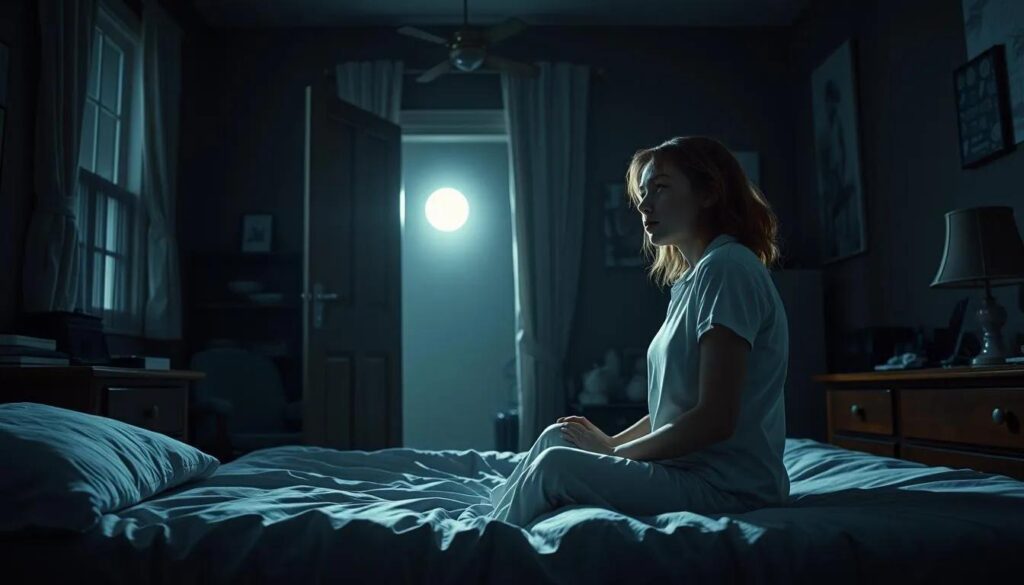
Waking up in the middle of the night and feeling that someone is watching you can be one of the most frightening experiences a person can have. Many people have experienced situations where they suddenly wake up between midnight and early morning and feel that another person is present in the room. Some hear their name being called, some feel that someone is sitting beside them, while others feel pressure on their body or a strong sense that they are not alone.
These experiences often leave people confused and frightened. Many individuals wonder whether these sensations are related to ghosts, supernatural forces, or something medically wrong with them. However, modern sleep science and psychology provide several explanations for why these experiences occur.
Although the experience feels completely real, understanding the connection between sleep, the brain, and nighttime awareness can help explain why so many people around the world report similar experiences.
Why Nighttime Feels Different
The human brain behaves differently during the night than it does during the daytime. During the day, our senses receive constant information from light, sounds, people, movement, and activities. The brain remains occupied and continuously processes information from the environment.
At night, everything changes. Darkness reduces visual information, external sounds become limited, and the body begins preparing for sleep. When a person wakes up during the night, especially between midnight and early morning, the brain may not immediately switch into full waking mode.
This transition between sleeping and waking can create unusual experiences. The person may feel awake but certain parts of the brain may still be operating in a dream-like state. This is one reason why nighttime experiences often feel extremely real.

The silence of the night also makes people more sensitive to small sounds, shadows, and movements. Something that would go unnoticed during the daytime may appear significant during the night.
Why Many People Feel a Presence in the Room
One of the most common nighttime experiences is the feeling that someone else is present. A person may feel that somebody is standing near the bed, sitting in a corner, or watching them from the doorway.
Researchers often refer to this as the “sense of presence.” The brain naturally tries to detect potential threats, especially during vulnerable moments such as sleep. When a person wakes up unexpectedly, the brain may become highly alert and attempt to identify danger in the environment.
Because the room is dark and quiet, the brain may interpret normal sensations, sounds, or body awareness as the presence of another person. This feeling can become extremely convincing because the mind is trying to protect the individual from possible danger.
Many people report feeling that someone is standing behind them or beside them even though nobody is there. This sensation can occur without seeing or hearing anything unusual.
Hearing Your Name Being Called at Night
Another common experience involves hearing one’s name being called. Some people hear their parents, siblings, spouses, or close friends calling them exactly as they normally would.
The voice often sounds completely real. Individuals may wake up immediately, respond to the voice, or even leave their bed to check who called them.
Sleep researchers explain that these experiences can occur during the transition from sleep to wakefulness. The brain remains partially connected to dream activity while the person begins waking up. Because familiar voices are deeply stored in memory, the brain can reproduce them with remarkable accuracy.
A person may hear their mother calling them, a sibling asking for help, or a friend speaking their name. The voice may seem to come from another room, outside the house, or directly beside the bed.
These experiences can be frightening, especially if they occur suddenly in the middle of the night, but they are generally considered harmless when they happen occasionally.
Why Sleeping Alone Can Make These Experiences Worse
Many individuals notice that these experiences happen primarily when they sleep alone. When sleeping beside friends, family members, or partners, they may sleep peacefully throughout the night without unusual sensations.
The feeling of safety plays a significant role in sleep quality. The human brain often feels more secure when other people are nearby. This reduced sense of vulnerability allows the body and mind to relax more deeply.
When a person sleeps alone, especially in a quiet room, the brain may remain slightly more alert. Small sounds, creaking doors, distant noises, or changes in the environment may attract more attention.
As a result, feelings of being watched or sensing another presence may become stronger. This explains why many people report sleeping comfortably with others while experiencing fear only when they are alone.

The Role of Fear and Expectation
Fear itself can sometimes contribute to nighttime experiences. If someone has experienced a frightening event during the night, they may begin expecting it to happen again.
Before going to bed, thoughts such as “What if I hear something tonight?” or “What if someone is in the room?” can increase alertness. The brain remains prepared for danger, even while sleeping.
When the person wakes during the night, the brain may quickly interpret ordinary sensations as threats. A small sound, a shadow, or a brief awakening can trigger feelings of fear.
This cycle can repeat itself. The fear of experiencing something at night increases awareness, and increased awareness makes the experiences more likely.
Breaking this cycle often requires improving sleep habits and reducing nighttime anxiety.
Sleep Paralysis and Related Experiences
Some people who feel another presence during the night experience sleep paralysis. During sleep paralysis, the person becomes aware of their surroundings but cannot move their body temporarily.
During these episodes, people frequently report:
- Feeling someone in the room.
- Seeing shadows.
- Feeling pressure on the chest.
- Sensing someone sitting on the bed.
However, not everyone who experiences nighttime presence sensations has sleep paralysis. Some people can move normally while still feeling that someone is nearby.
This suggests that the brain can produce similar sensations even without complete sleep paralysis. The common factor is often the transition between sleep and wakefulness.
Why These Experiences Often Occur Between 12 AM and 3 AM
Many people notice that these experiences occur during the same period of the night. This is not a coincidence.
The body goes through multiple sleep cycles during the night. During the early morning hours, the brain frequently transitions between deeper and lighter stages of sleep.
These transitions increase the possibility of waking up partially while dream-related activity continues. As a result, unusual sensations, sounds, or feelings may occur.
The environment also tends to be quieter during these hours. Reduced external stimulation makes internal sensations more noticeable.
This combination of brain activity and environmental conditions explains why many people report similar experiences during the middle of the night.
Are These Experiences Related to Ghosts?
Throughout history, many cultures have interpreted nighttime experiences as supernatural events. Stories about spirits, ghosts, and unseen entities often describe situations similar to modern sleep experiences.
Because these experiences feel incredibly real, many people naturally believe that something outside themselves caused them.
Modern sleep science, however, provides explanations involving brain activity, sleep stages, stress, fear, and sensory perception.
This does not invalidate a person’s experience. The fear, the sounds, and the sensations are real to the individual experiencing them. The difference is that researchers believe these experiences usually originate within the brain during particular stages of sleep.
Millions of people around the world report similar experiences, regardless of their culture, religion, or personal beliefs.
How to Reduce Nighttime Fear
Improving sleep habits can often reduce these experiences. Maintaining a regular sleep schedule helps stabilize the body’s natural sleep cycle. Going to bed and waking up at consistent times allows the brain to transition more smoothly between sleep stages.
Some people find comfort in using a small night light. A dim light can reduce feelings of fear and help the brain quickly recognize the surroundings after waking up.
Avoiding frightening content before bed may also help. Horror movies, ghost stories, and disturbing videos can increase nighttime alertness and make unusual sensations feel more threatening.

Background sounds such as a fan, soft music, or white noise may reduce sensitivity to small environmental noises.
If a person wakes feeling afraid, sitting up, turning on the light, and taking a few moments to fully wake up can often make the sensations disappear.
When Should You Seek Professional Help?
Occasional nighttime experiences are usually not dangerous. However, professional advice may be helpful if the experiences become very frequent or begin affecting daily life.
If a person begins hearing voices during the daytime, sees things while fully awake, experiences severe anxiety, or struggles to function normally, a healthcare professional can help determine the underlying cause.
Sleep specialists can also evaluate possible sleep disorders if nighttime experiences become persistent or disruptive.
Summary
Feeling that someone is watching you at night, hearing your name being called, or sensing another presence in the room can be deeply unsettling experiences. However, these sensations are far more common than many people realize.
The brain remains active during sleep, and the transition between sleeping and waking can sometimes create experiences that feel completely real. Darkness, silence, sleeping alone, and nighttime awakenings can all contribute to these sensations.
For most people, these experiences are related to sleep processes rather than anything dangerous. Understanding how the brain works during the night can reduce fear and help individuals feel more comfortable when these experiences occur.
While the experience itself may feel mysterious, modern sleep science shows that the mind is capable of producing remarkably vivid sensations during the night, reminding us that the boundary between sleeping and waking is often much thinner than we realize.
Topics that might Interest you
The Island Where Even the Indian Government Cannot Enter
The Science of Addiction: The Hidden War on Your Brain
The Alive Cannot Go, the Dead Cannot Tell: Who Discovered Heaven and Hell?