
The morning sun filters through the garden, illuminating tiny particles suspended in the air pollen grains catching the light like golden dust. A bee hovers at a flower’s entrance, and in that fraction of a second, a photographer captures not just an image, but a moment of ecological intimacy that sustains our world.
Photographing pollinators is more than documenting insects and blooms. It’s bearing witness to one of nature’s most essential partnerships, a dance millions of years in the making that feeds much of the planet.
The Silent Workers
Bees, butterflies, hummingbirds, beetles, bats, and countless other creatures serve as nature’s couriers, transferring pollen from flower to flower as they seek nectar, shelter, or mates. This seemingly simple act enables approximately 75% of flowering plants to reproduce and contributes to one-third of the food we eat.

Yet these vital players often go unnoticed. They work in quiet urgency, driven by instinct and need, their contributions invisible until a photographer freezes them in time wings blurred in motion, legs dusted with pollen, bodies pressed against stamens in an embrace both functional and beautiful.
The Technical Challenge
Capturing pollination in action demands patience, skill, and often specialized equipment. These creatures move quickly, unpredictably, and often measure mere millimeters across. The technical challenges are significant:
Speed and timing present the first hurdle. A bee visits a flower for seconds, sometimes less. Butterflies flutter constantly. Hummingbirds hover at frequencies invisible to the naked eye. Photographers must anticipate movements, pre-focus on likely landing spots, and shoot in rapid bursts, knowing that dozens of attempts might yield a single sharp image.
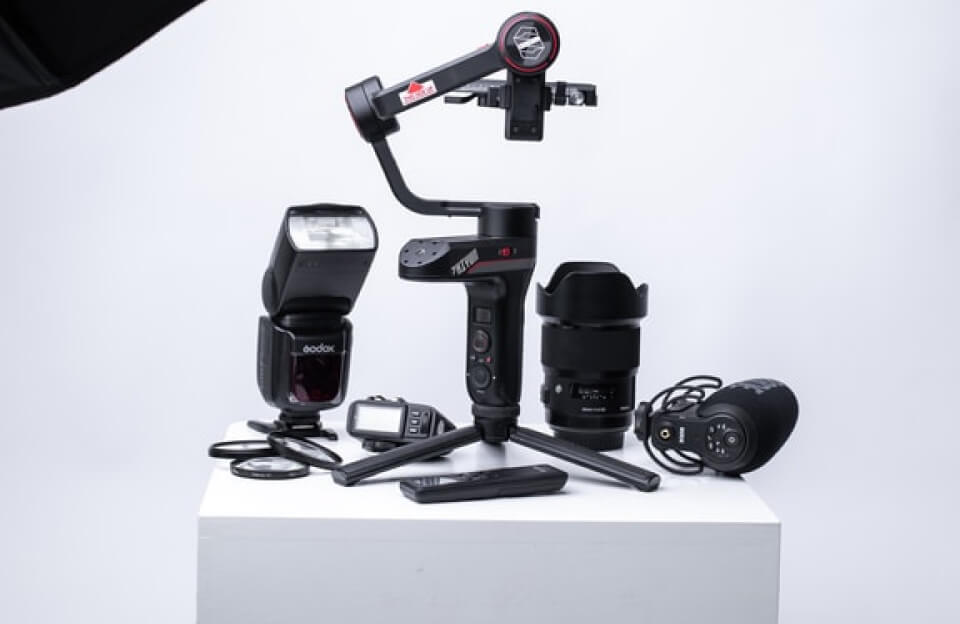
Depth of field becomes critically important when working at close distances. Macro lenses reveal extraordinary detail but offer razor-thin focus zones. Photographers often stop down to smaller apertures like f/11 or f/16 to keep both the pollinator and flower reasonably sharp, then compensate with higher ISO settings or external lighting.

Lighting can make or break pollination photographs. Natural light at dawn or dusk provides warm, directional illumination that highlights pollen grains and creates dimension. But this also coincides with peak pollinator activity in cool temperatures when these creatures move more slowly a happy convergence for photographers. Some use diffused flash to freeze motion while maintaining natural color balance.
Reading the Moment
Beyond technical prowess, successful pollination photography requires ecological understanding. Knowing which flowers attract which pollinators, understanding daily activity patterns, and recognizing behavioral cues all increase the odds of capturing meaningful moments.
Native bees often prefer native plants. Butterflies seek flat landing platforms. Hummingbirds favor tubular flowers. This knowledge transforms random shooting into strategic documentation.
The truly magical images capture not just presence but interaction the exact moment a butterfly’s proboscis unfurls into a flower’s throat, pollen visibly transferring to a bee’s hind legs, a hummingbird’s tongue extended in a blur of motion. These are the images that transform pollination from concept to visible reality.
The Story in the Dust
That pollen dust, barely visible to casual observers, becomes the narrative thread in pollination photography. It coats fuzzy bee bodies, clings to butterfly scales, and forms visible clouds when disturbed by rapid wing beats. It appears as golden highlights in backlit situations, as texture in macro detail shots, and as evidence of work completed.
Photographing this dust requires specific attention. Side lighting reveals it as three-dimensional particles. Backlighting transforms it into glowing specks. Macro work shows individual grains clinging to leg hairs and body segments. Each approach tells a different part of the pollination story.
Beyond Aesthetics
While these photographs often possess undeniable beauty vibrant colors, elegant compositions, intimate perspectives—their value extends beyond aesthetics. They serve as documentation of ecological relationships, evidence of biodiversity, and sometimes records of species in decline.
Pollinator populations worldwide face unprecedented pressures from habitat loss, pesticide use, climate change, and disease. Photographs of these creatures become both celebration and warning, proof of what exists and reminder of what we stand to lose.
The Practice of Presence
Perhaps most significantly, photographing pollinators demands a quality increasingly rare in modern life: sustained attention. You cannot rush these images. You must wait, watch, and ready yourself for moments you cannot predict or control.
This practice cultivates intimacy with the non-human world. Hours spent observing a patch of wildflowers reveal patterns invisible to casual glances. You begin noticing which flowers open first, which pollinators arrive earliest, how weather affects activity, how different species interact or avoid each other.
The camera becomes a tool of deeper seeing, transforming photographers into students of pollination ecology, witnesses to daily miracles occurring at scales and speeds normally beyond our perception.
Starting Your Own Documentation
For those inspired to photograph these ecological players, the barrier to entry is lower than you might think. While professional macro lenses and high-end cameras help, even smartphones with decent close-up capabilities can capture compelling pollination moments.
Start with a garden, park, or wildflower patch. Arrive early when pollinators are most active and light is most beautiful. Move slowly—quick movements startle your subjects. Focus on flowers that are already receiving visitors rather than waiting at empty blooms. Shoot many frames, knowing that sharp images will be the minority.
Most importantly, let curiosity guide you beyond the viewfinder. Learn the names of your subjects, understand their life cycles, recognize their preferred flowers. The best pollination photographs emerge not from technical skill alone but from genuine fascination with these creatures and their essential work.
Watching the Dust
In the end, photographing pollinators means bearing witness to something simultaneously ordinary and miraculous. It happens constantly, everywhere flowering plants grow, yet it remains easy to overlook in our human-scaled perception of importance.
The photographer who watches the dust who notices those golden grains floating in morning light, who recognizes them as evidence of life sustaining life sees more than a photo opportunity. They see the invisible architecture of ecosystems, the fragile threads connecting flower to fruit, plant to plate, present to future.
And in capturing these moments, they offer others a chance to see it too, to recognize the players whose work, quite literally, helps sustain our world.