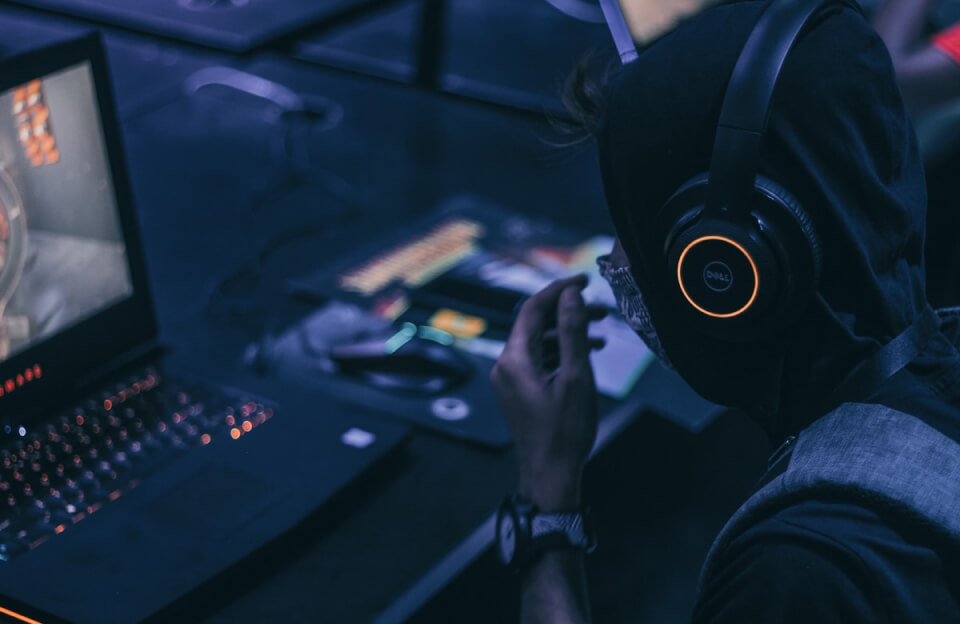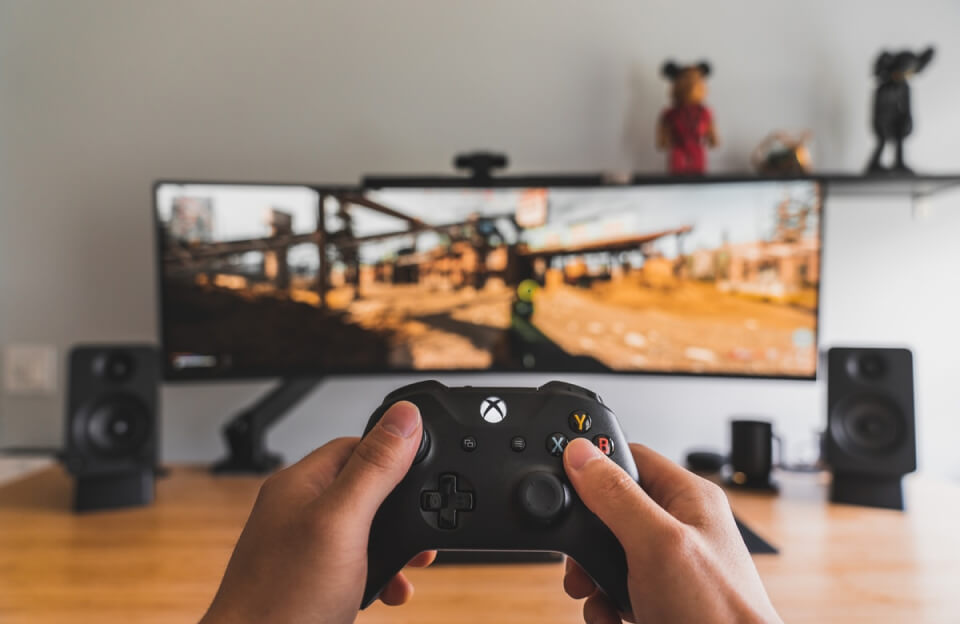
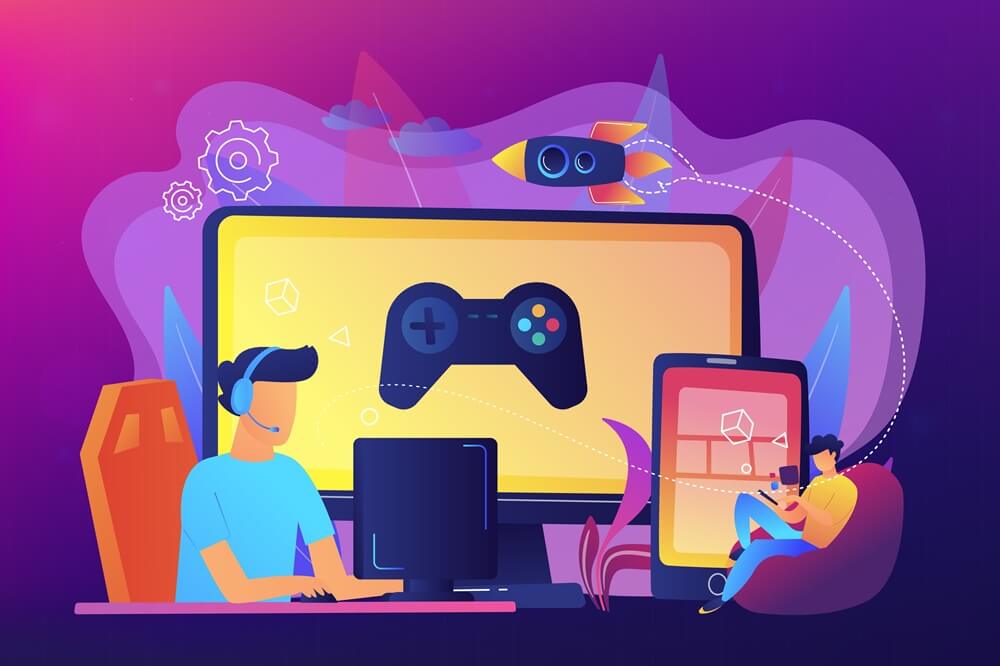
Online gaming has become a big part of modern life. Millions of people around the world play online games every day. While gaming can be fun and relaxing, many people struggle with online gaming addiction. They find it hard to stop playing, even when it affects their daily life.
So, why online gaming is addictive to a person? Let’s break it down in a simple way.
Table of Contents
Online Games Give Quick Rewards
One of the biggest reasons behind gaming addiction is rewards. Online games give instant rewards like points, levels, coins, skins, or achievements. Every small win makes the brain feel happy.
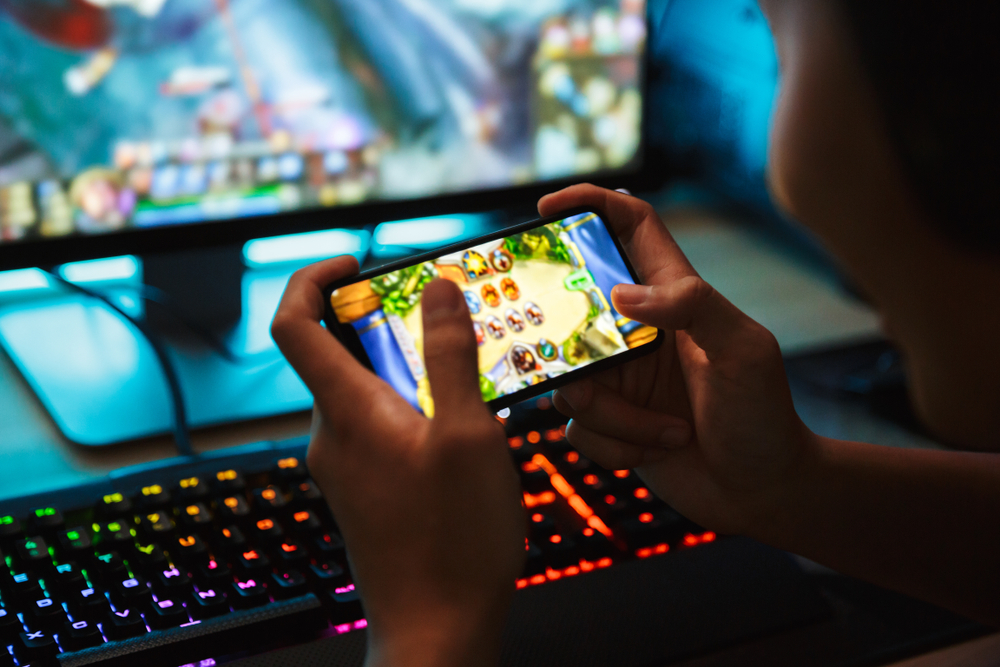
This happiness comes from a chemical called dopamine. Dopamine makes you feel good and excited. When a game gives rewards again and again, the brain starts craving that feeling. This is how addictive online games keep players hooked.
Clear Goals Make Games Hard to Stop
In real life, goals can be confusing and slow. But online games are different. They tell you exactly what to do:
- Win the match
- Complete the mission
- Reach the next level
You always know what comes next. This clear structure makes players feel successful. It is one reason video game addiction grows faster than many other habits.
Social Connection Feels Real
Many online games are social. Players talk through chat or voice, play in teams, and make online friends. For some people, this feels easier than real-life communication.

When someone feels lonely or ignored in real life, online gaming becomes a safe space. This emotional connection increases the risk of online gaming addiction, especially among teenagers and young adults.
Games Never Really End
Most online games have no final ending. There is always:
- A new season
- A new update
- A new challenge
This creates a feeling that you must keep playing or you will fall behind. This fear of missing out is a strong reason why online gaming is addictive.
Gaming Is an Escape from Stress
Life can be stressful. School pressure, work problems, family issues, or boredom can make people feel overwhelmed. Online gaming helps players forget their problems for a while.
This escape feels good at first. But when gaming becomes the only way to relax, it can turn into gaming addiction. The person starts avoiding real-life problems instead of facing them.
Competition and Status Matter
Online games often have rankings, leaderboards, and titles. Being good at a game gives players respect and recognition. For some people, this becomes their identity.
Winning matches and gaining status feels powerful. Over time, this need for validation feeds video game addiction, especially in competitive multiplayer games
Games Are Designed to Be Addictive
Game developers use psychology to keep players playing. Some common tactics include:
- Daily login rewards
- Streak bonuses
- Limited-time events
- Loot boxes and random prizes
These features push players to return every day. This design plays a big role in online gaming addiction.
When Does Gaming Become a Problem?
Gaming becomes a serious issue when:
- A person skips work, school, or sleep to play
- Relationships suffer because of gaming
- The player feels angry or anxious when not playing
- They try to stop but cannot
At this stage, gaming addiction can affect mental health, physical health, and daily responsibilities.
Final Thoughts
Online gaming itself is not bad. It can be fun, social, and relaxing. But understanding why online gaming is addictive helps people use it wisely.
When gaming starts controlling your life instead of adding joy, it is time to take a step back. Balance is the key. Playing games is healthy when real life still comes first.
Read More articles on How Professor
How to Run macOS and Windows 10 on the Same Computer: A Comprehensive Guide